
Your first five minutes
You do not need to understand the whole economy before playing. Follow this loop once, then use the deeper sections when a new tile appears.
Your Roll Dice button always tells you what must be handled before the road opens again.

- 01
Create your outlaw
Choose a founding crest. Your player begins at Thieves’ Wood with two Writs of Release.
- 02
Roll the die
Your signet moves 1–6 spaces. Your first roll opens a fresh turn with two action credits.
- 03
Read the tile
Open the tile you landed on. Holdings offer ownership actions; special tiles present a decision.
- 04
Use your turn
Mint units, claim rent, influence holdings, or challenge the Stronghold when the opportunity is right.
- 05
Clear the road
Pay rent or resolve any special-tile gate, then roll again. That is the complete game loop.
Roll first. A fresh roll establishes the turn state that most actions need.
What happens on your turn
Crown & Coin has no separate end-turn button. You act between rolls, and the next roll advances you when every required obligation is clear.
Move 1–6 spaces and refresh your turn.
Pay rent or answer a special tile.
Use credits and resources where useful.
Continue as soon as the road is clear.
Spend tempo, not turns
You may hold up to two action credits. After the first roll, each later roll restores one credit up to that cap. A fresh turn lasts 24 hours.
The button explains the gate
Gaol, Levy, Stronghold tribute or capture, Gate rewards, and unpaid holding rent can all pause the next roll. Resolve the named blocker, then continue.
If your current holding owes rent, Roll Dice can request approval, pay it, and then move you.
Know what each resource unlocks
Most choices become simple once you know whether they ask for CROWN, tax points, an action credit, or a Writ.

CROWN
Used to mint holding units, pay rent, post bail, offer Stronghold tribute, and buy tax points.
Keep a reserve. Rent and tile obligations can block your next roll.
Tax Points
Spend them to contribute, sabotage, damage the Stronghold, or settle the Sheriff’s Levy.
Earn them from eligible CROWN spending, exchange, and Sherwood Gate prizes.
Action Credits
Minting, sabotage, Stronghold capture, and Stronghold damage each spend one credit.
You can hold at most two. Later rolls restore one, and turn state expires after 24 hours.
Writs of Release
Spend one to leave Nottingham Gaol immediately without paying bail or offering a bribe.
You begin with two and can win more at Sherwood Gate.Holdings, units, and rent
The eighteen named locations are shared holdings. Players own units inside them rather than locking the entire location away from everyone else.
 Recognise this art from a holding popup
Buy a share of the road
- Mint units: spend one credit and the current CROWN price. You get one mint action per visit.
- Hold units: rent paid into that holding is divided across units.
- Claim rent: a fresh turn and at least one available credit are required, but claiming does not spend it.
- Burn units: recover 80% of their cost basis; 5% goes to remaining holders and 15% to protocol fees. If the last unit is burned, the holder share also routes to protocol fees.
Each set has its own strategy. Inside it, entry, standard, and landmark holdings offer different opening costs and rents; live mint prices rise as units are minted.
| Set | Holdings | Set strategy | Opening mint range | Base rent range |
|---|---|---|---|---|
| Hidden GreenwoodOak leaf | Thieves' Wood · Major Oak · Wolf's Den | Accessible high-dilution yield | 21.68K–30.6K CROWN | 810–1.08K CROWN |
| The Merry MenCrossed bow and quarterstaff | Locksley · Tuck's Mill · Gamwell Hall | Early-entry scarcity | 30.6K–43.2K CROWN | 675–900 CROWN |
| Sherwood LegendsCrowned stag | Edwinstowe · Fountaindale · St Mary's Church | Cash-flow yield | 43.35K–61.2K CROWN | 810–1.08K CROWN |
| Barnsdale BalladsStone bridge | Wentbridge · Campsall · Barnsdale | Balanced ownership | 54.19K–76.5K CROWN | 630–840 CROWN |
| Sheriff's NottinghamKeys and scales | Nottingham Market · Castle Gate · Sheriff's Hall | Deep accumulation | 65.03K–91.8K CROWN | 585–780 CROWN |
| Crown StrongholdsCrown and castle | Nottingham Keep · Prince John's Court · Nottingham Castle | Premium low-dilution yield | 91.04K–128.52K CROWN | 675–900 CROWN |



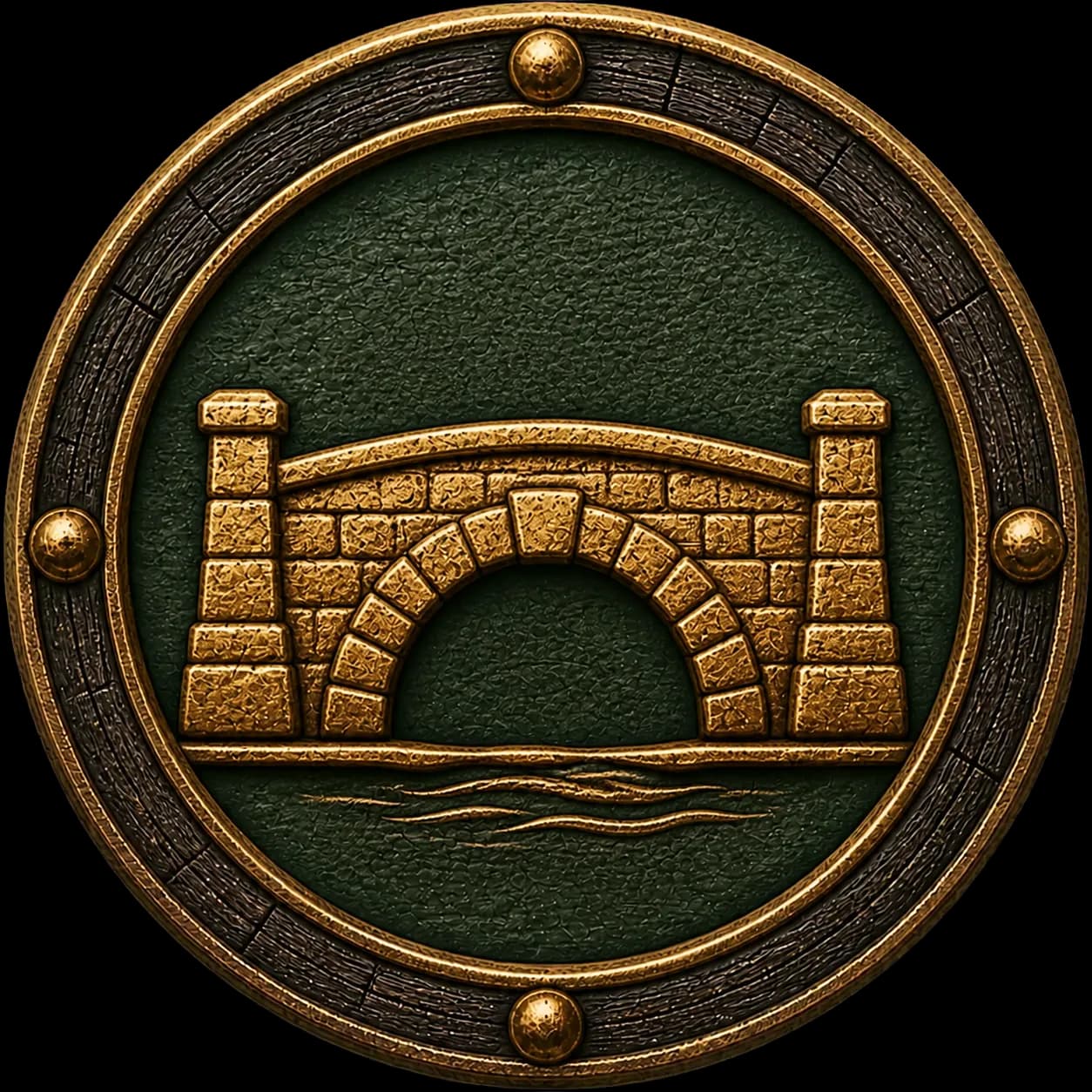


Hold at least one unit in all three locations of a set. Each of your units in those holdings then receives 5% more rent weight. The renter pays the same bill—the existing rent pool is divided with your completed-set advantage.
Sheriff’s Influence changes rent
Contributions raise a holding’s city score and drive out the Sheriff’s shields. Fewer shields mean a stronger rent multiplier. Sabotage pushes the score the other way.
Raises the city score. It does not consume an action credit.
Lowers the city score and can restore the Sheriff’s influence.
The multiplier applies to that holding’s base rent. Contribution and sabotage are unavailable while you stand on Sheriff’s Levy.
Recognise every special tile
These illustrated locations interrupt the normal holding loop. The popup always shows the valid routes for your current state.
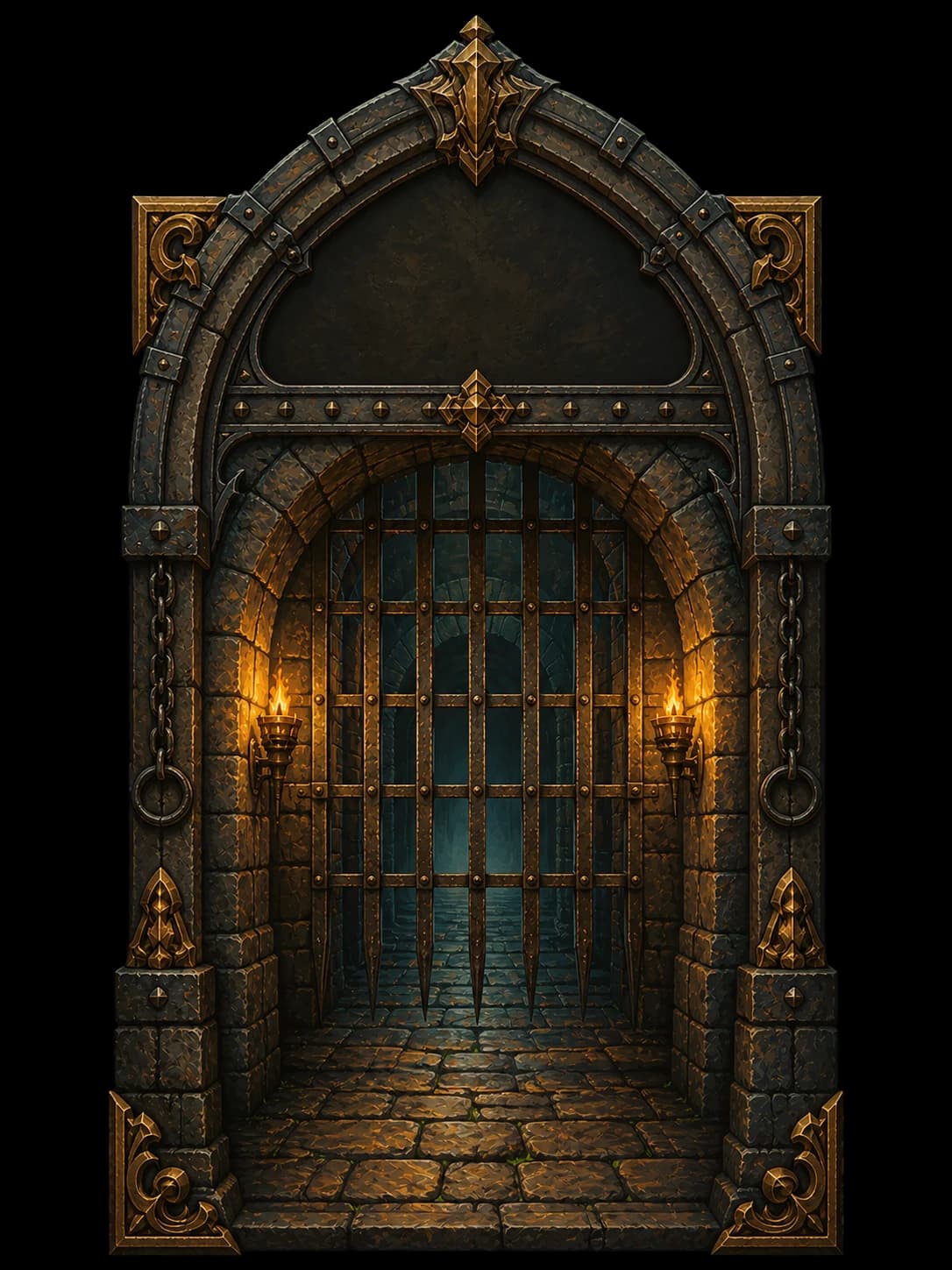 Position 3
Nottingham Gaol
Landing here locks your next roll until you choose a release route.
- Bail
- Pay the current bail for guaranteed release. It begins at 5K CROWN.
- Bribe
- Post 40% of the current bail for a 55% success chance. Half is returned on success.
- Writ
- Spend one Writ of Release. No CROWN is required.
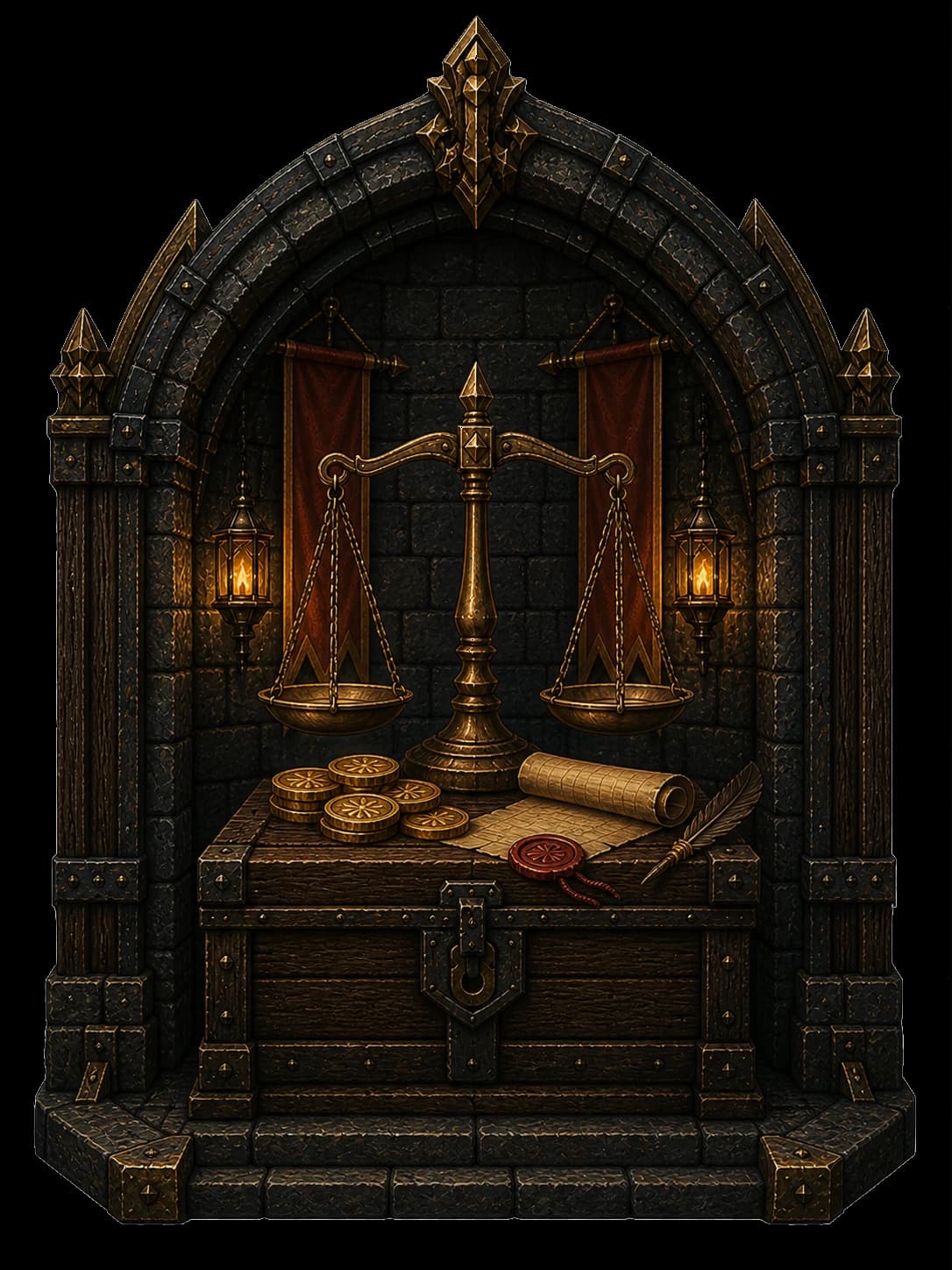 Position 10
Sheriff’s Levy
If you arrive with tax points, the ledger must be settled before you can roll again.
- File Return
- Take a 50/50 chance: double your full tax-point balance or lose it all.
- Use Points
- Spend 30% of your current balance to clear the Levy without chance.
 Position 14
Outlaw Stronghold
The Stronghold begins with 50K integrity and a 7.5K CROWN claim price. Captures raise the price; each breach fortifies its next life toward a 75K ceiling.
- Claim
- Land here and spend one credit plus the displayed CROWN total to take command.
- Tribute
- If another outlaw controls it, pay the 7.5K CROWN base tribute to clear your visit.
- Damage
- Spend tax points and one credit. Remote strikes cap at 25% of maximum integrity; an outlaw on the tile can finish the breach.
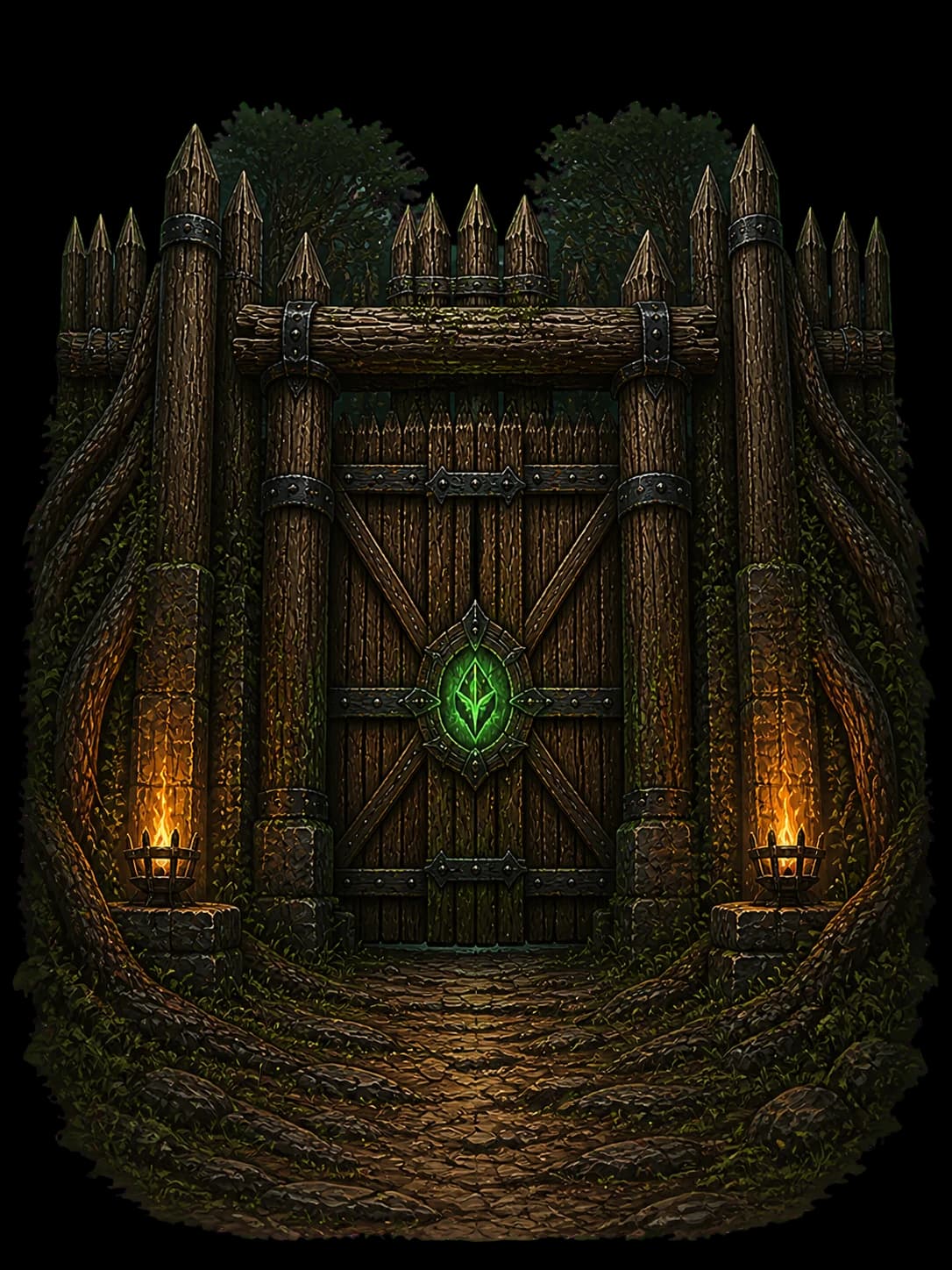
 Position 21
Sherwood Gate
Passing the Gate and landing on it are different rewards.
- Pass Through
- Moving past the Gate queues a 1,500 CROWN reward.
- Land Exactly
- Spin the fortune wheel once, wait for it to settle, then claim the result.
- Possible Prizes
- CROWN, tax points, or one to two Writs of Release.
Bribes, Levy filings, and wheel prizes use the game's configured authorized-randomness flow.
Use the Player Dashboard as your checklist
The board tells you where you are. The dashboard tells you what you have, what you can claim, and whether your turn is ready.
Position, total rolls, turn freshness, and remaining action credits.
Liquid CROWN, estimated unit value, total wealth, and lifetime activity.
Your current Writs of Release.
Complete sets, set decrees, and every unit you own.
Claimable rent by holding. Claiming requires a fresh turn and at least one credit, but does not spend it.
Convert 150K CROWN into 100 tax points after any active Levy obligation is cleared.
Why some actions ask twice
The first wallet confirmation can approve CROWN for the game contract. The second performs the actual action. Once enough allowance exists, later actions can need only the action confirmation.
Simple strategy for your first game
The strongest opening is not a fixed build. It is a balance between keeping the road open and buying productive positions.
Keep a road reserve
Do not commit every CROWN to minting. Rent, bail, and tribute can stand between you and the next roll.
Watch the credit cap
At two credits, rolling cannot bank a third. Spend a useful credit before rolling when the road is clear.
Build with a set in mind
A scattered portfolio earns rent; the dashboard also recognises when you hold all three locations in a named set.
Choose certainty deliberately
Bail and Levy payment routes cost more certainty; bribes and filings trade cost for risk.
Use tax points with purpose
Contribution improves rent, sabotage disrupts rivals, and Stronghold damage can erase a controller’s claim.
Read before confirming
The popup reflects current prices, balances, odds, and route availability. Treat it as the final word for that action.
Rules reference & common questions
Use these short answers when a button, balance, or board state does not behave the way you expected.
Why can’t I roll?
Read the Roll Dice button. You may need to resolve Gaol, Levy, Stronghold passage, Sherwood Gate, a wallet transaction, stale turn state, or the automatic rent due when leaving your current city. Rent waiting for you to claim never blocks a roll.
Can several players own the same holding?
Yes. Ownership is measured in units. Rent assigned to the holding is distributed across the units that exist there.
Do I have to stand on a holding to use every action?
You must stand there to mint. Claim, burn, contribute, and sabotage follow their own balance and turn requirements; contribution and sabotage are blocked on Sheriff’s Levy.
Why did the holding price change?
Each set has an opening price and a price increment. New units make the next unit more expensive, so the popup’s live price is authoritative.
Does claiming rent spend an action credit?
No. You need a fresh turn and at least one available credit, but the claim itself does not consume that credit.
When do action credits expire?
Your fresh turn window lasts 24 hours from the latest roll. After it expires, roll again before using actions that require a fresh turn.